
Renovations and Upgrade
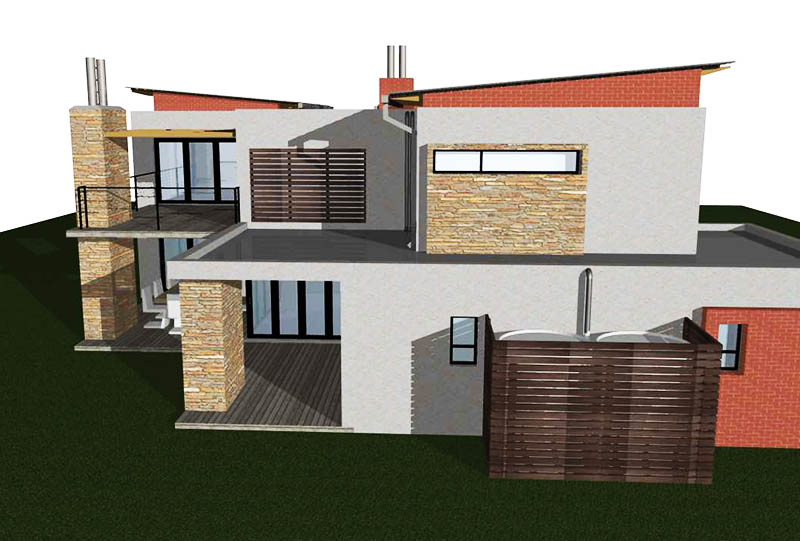
A renovation results in an essentially new building within the framework of an old one. It typically meets new building code requirements. Complete tenant evacuation during construction is necessary, although floor-by-floor renovation is sometimes possible. This term often is used interchangeably with rehabilitation, but should not be. Its goal is a building that is like new, rather than one that is fully repaired. A minimum renovation usually includes replacement of the entire elevator, HVAC, plumbing, fire protection and electrical systems as well as revamping of exits, fire separations and structural systems to meet new construction codes. Roof replacement and repair or replacement of exterior enclosure elements such as walls, windows and doors also are frequently part of a renovation
In a total renovation, major elements such as elevators, stairs, duct shafts, lavatories, mechanical rooms, building entrances and even lobby locations are added, relocated or reconfigured for functional, efficiency or marketability reasons. The former Goldblatt Department Store in Chicago is an example of this type of renovation and adaptive reuse. The renovation also included stripping back to structural steel a blank. brick wall and adding a new facade and entry plaza on the building’s north side. The real estate market frequently uses the term “gut rehabilitation” to describe a total renovation in which the entire interior except for the floors is ripped out to make new tenant space. A renovation of this nature requires tenant evacuation. The rent loss during the construction period is generally capitalized as part of the development cost.
